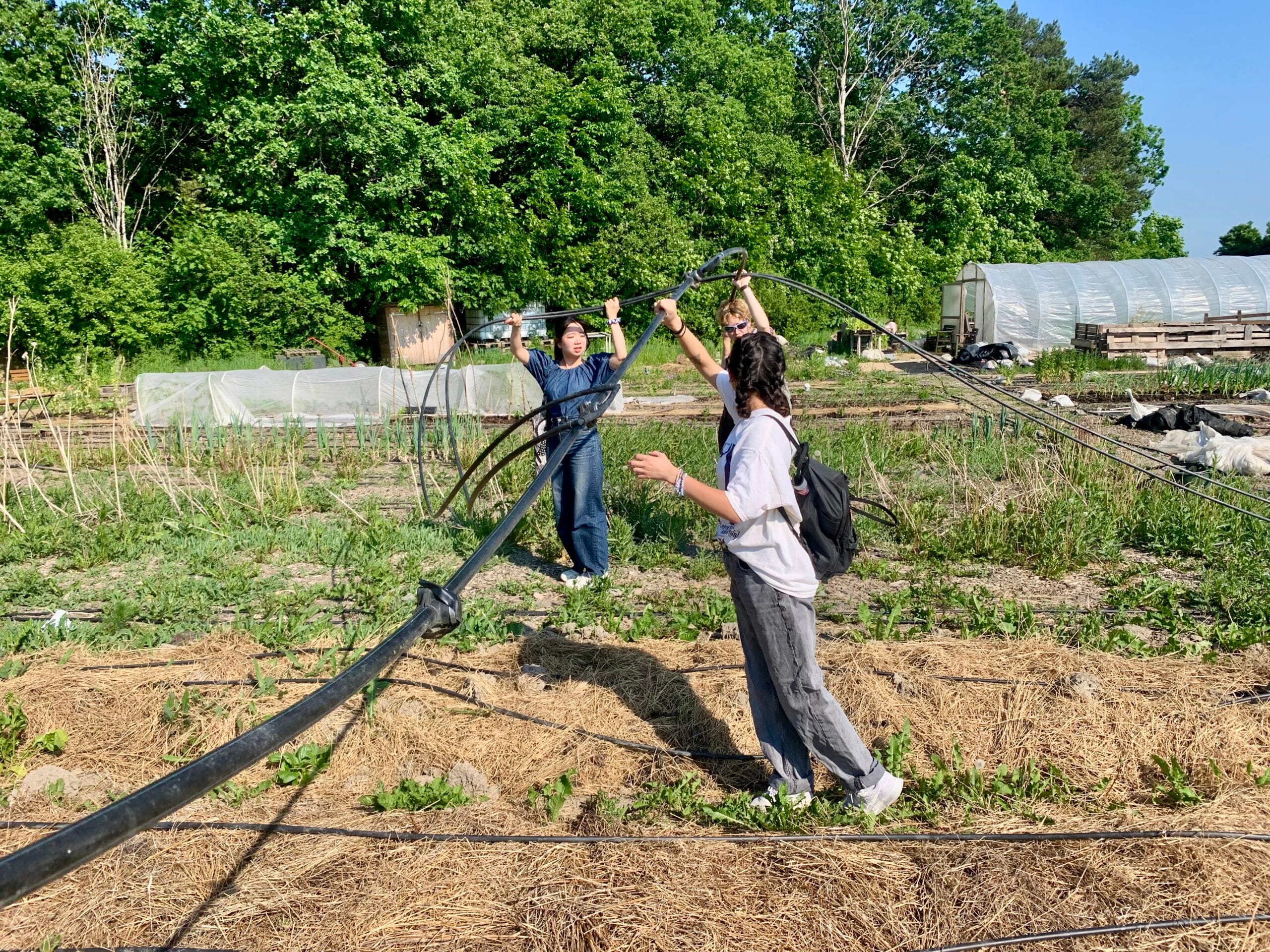
The Hågaby Urban Cultivation Association, led by Henrik Andersson, has worked intensively to convert cultivation beds into perennial systems. The goal has been to create long-term sustainable cultivations that reduce labor and water requirements, while strengthening resilience to climate change. The project has received support from Upplandsbygd and was part of the umbrella project Natural values in Upplandsbygd.
Conversion to perennial growing beds
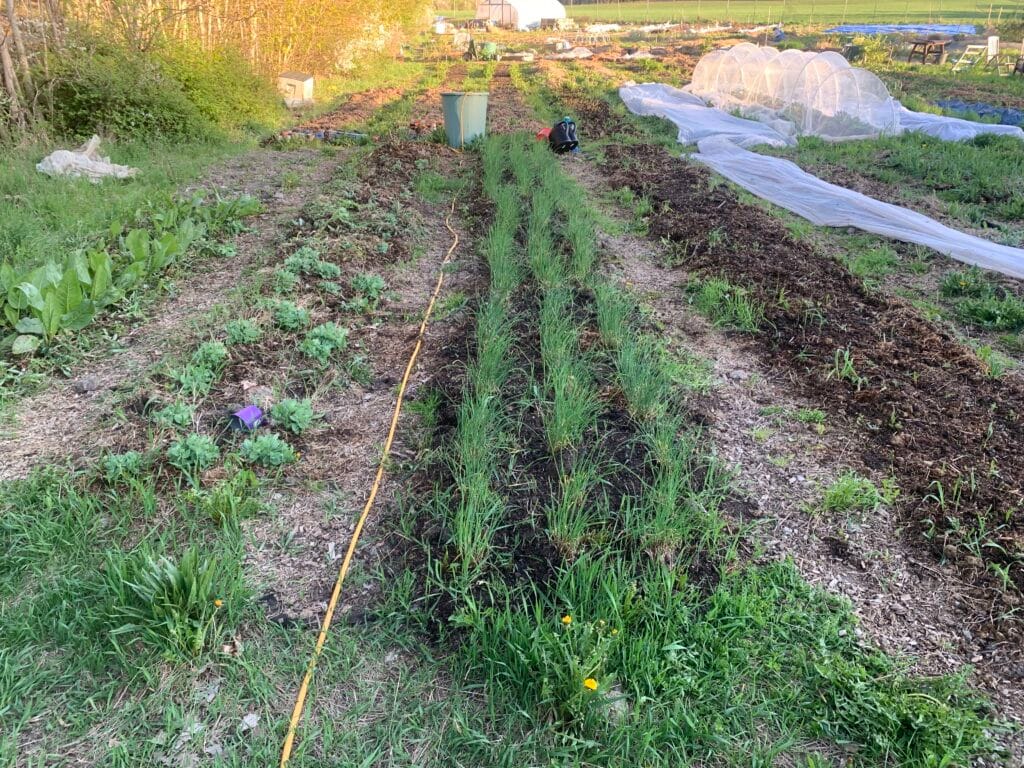
During the fall of 2023 and spring of 2024, the conversion of the growing beds was prepared by covering them with fertilizer and mulch.
”The goal was for 50% of the cultivation beds to be converted to perennial beds, but instead 75–80% of the beds were converted,” says Henrik, who has run the project.
The beds were planned to accommodate three plants per row in a grid, with plants such as asparagus, spinach, rhubarb and snake leek. Perennials grow more slowly than annuals, but once they have established their root systems, they are better equipped to compete with weeds and cope with drought.
Efficient water management and rainwater storage
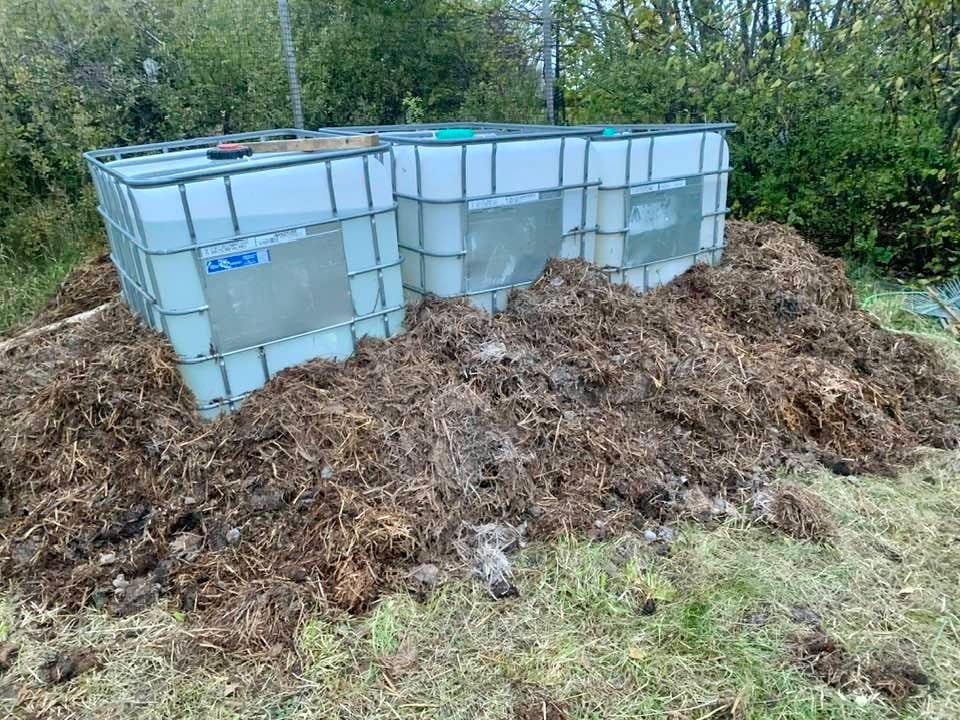
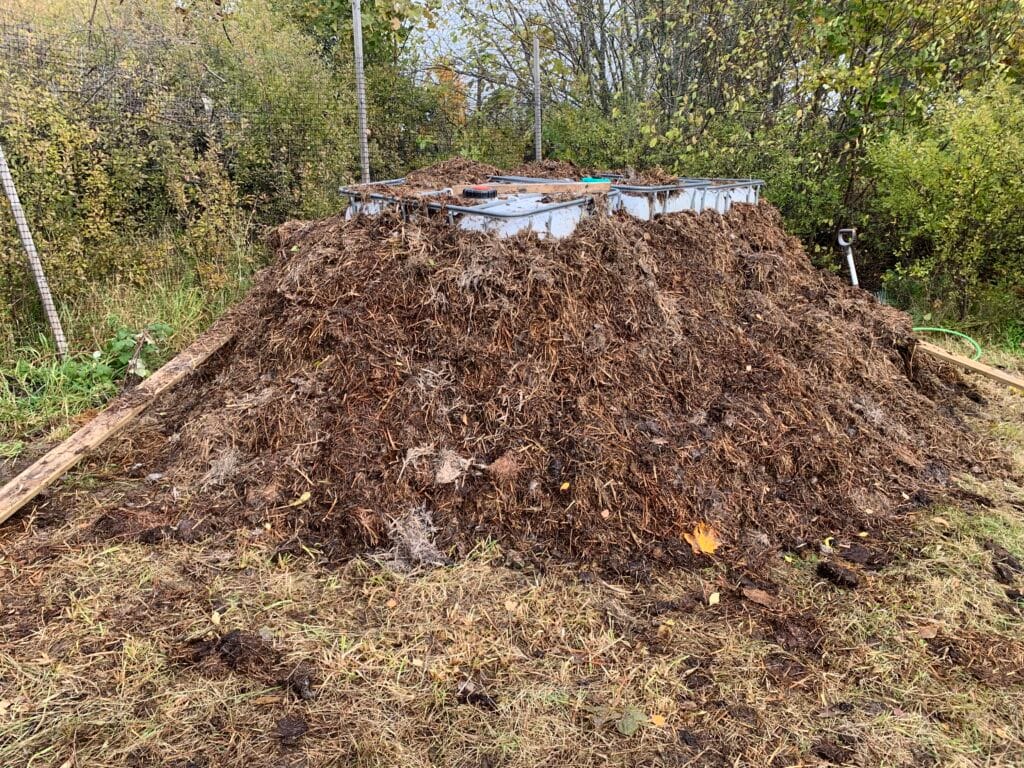
The project also tested methods to save rainwater and protect it from freezing over the winter. Three IBC tanks were used to store rainwater, which was insulated with straw and manure. The result was that none of the tanks froze during the winter of 2023–2024 and the water could be used for irrigation in the spring. The rainwater harvesting and drip irrigation system reduces the need for municipal water and provides both environmental and economic benefits. In addition, perennial plants require significantly less water than annual plants, especially once they have established themselves.
Delivery of perennial vegetables to the school kitchen
Another important part of the project was supplying perennial vegetables to the school kitchen. Although the quantities were small in the first year, the chefs have been creative and replaced several common annual vegetables with perennial varieties. Some favorites were spinach, sand mustard and lovage. Perennial vegetables provide an earlier harvest in the spring and extend the harvest period in the fall, which fits in with the school terms.
The local community was involved
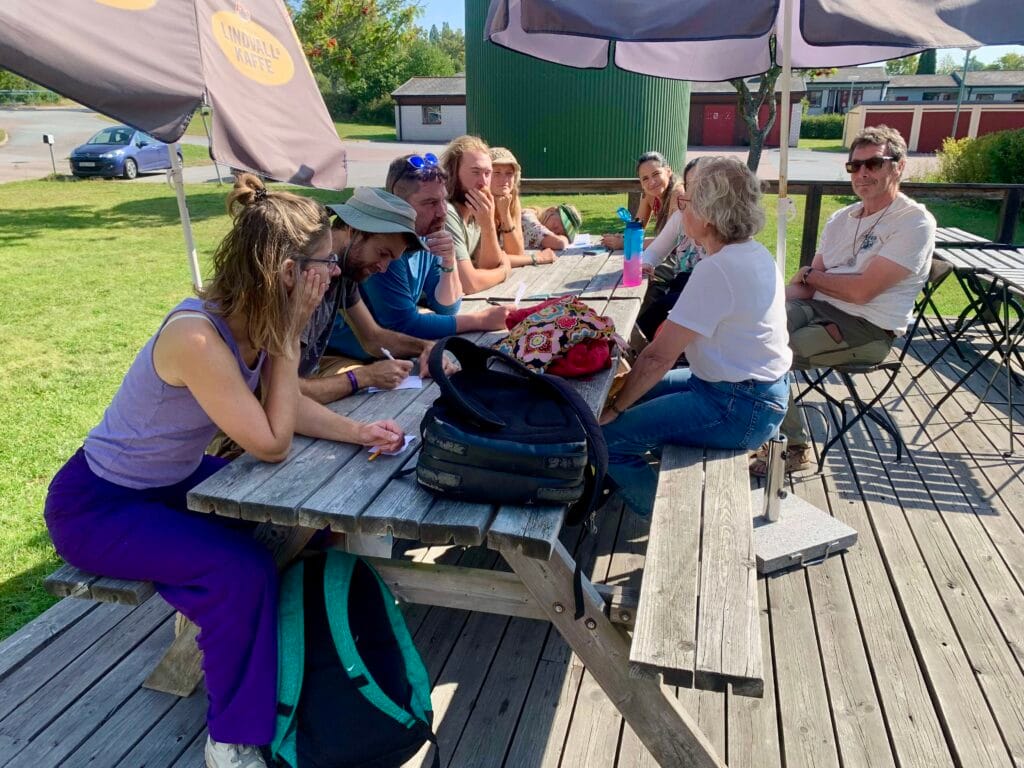
Several training sessions and workdays have been conducted to involve the local community and school students in the project. Participants have gained practical experience in creating the beds, cultivating perennials and carrying out maintenance.
In summary, the project at Hågaby Urban Farming has demonstrated the benefits of perennial farming – both from an environmental perspective and for reducing the workload. Through efficient water use and sustainable farming techniques, the association creates an economically and ecologically beneficial system, while engaging and educating the local community in sustainable farming.
Do you also want to switch to perennial cultivation?
Contact us at the office so we can send you more information about the Hågaby urban farming project. Also read more about the project here.