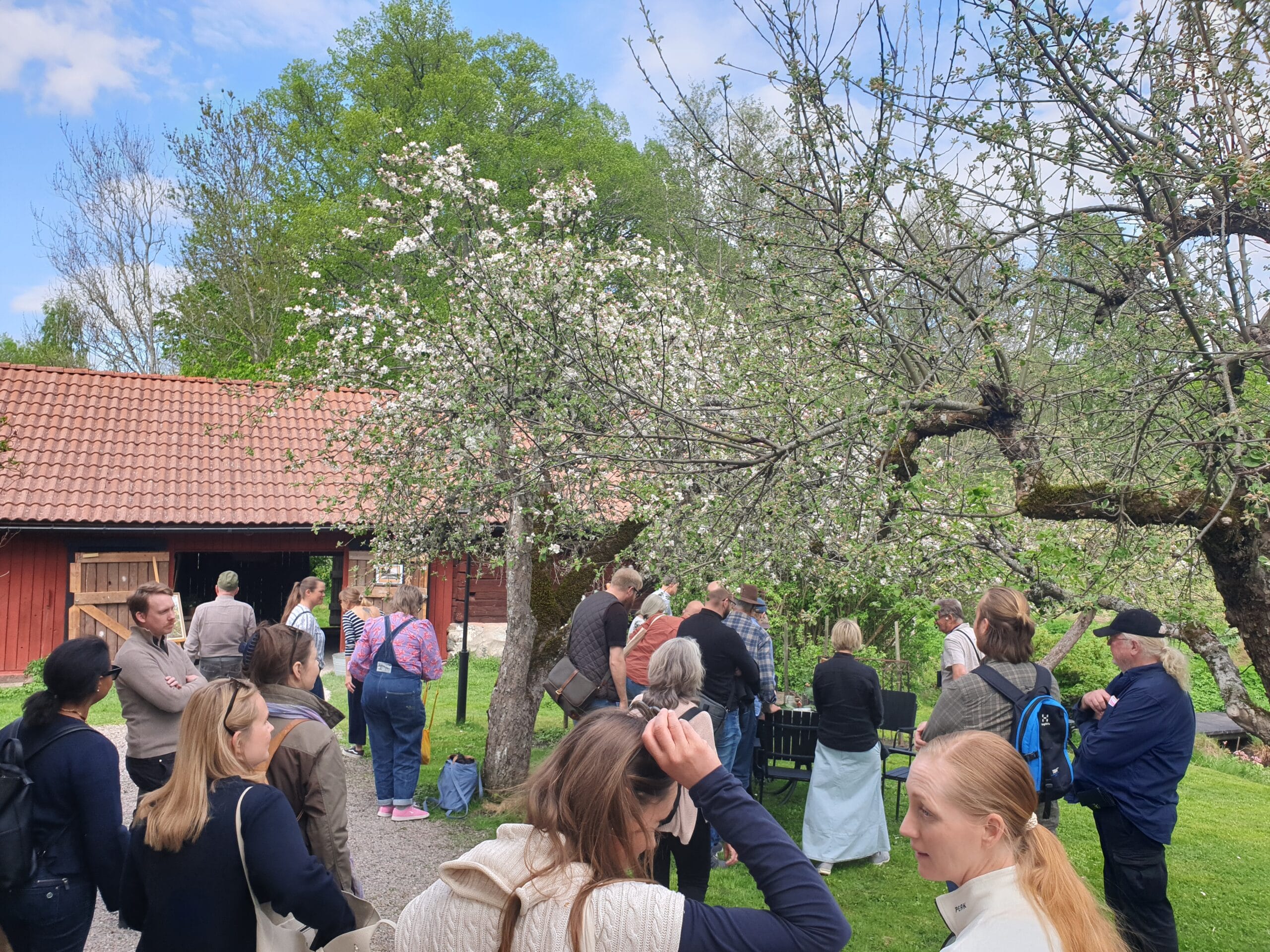
On May 20, participants from Vallentuna, Sigtuna, Knivsta, and Uppsala gathered for the study trip Regenerative place development – a day filled with inspiration, experience exchange, and concrete examples of how local engagement and collaboration can contribute to stronger and more sustainable communities.
The purpose of the day was to explore how community, network building, and local initiatives can become powerful tools for development in rural areas. Through three different study visits, participants were able to learn about activities and projects that in various ways strengthen both social, economic, and ecological values in their localities.
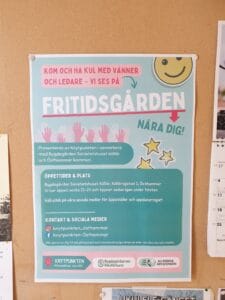
The first stop was the Sociotetshuset Källör where participants heard about the concept Knytpunkten and Källör's initiative to start a youth center. Knytpunkten makes it easier to start youth center activities in rural areas through collaboration between community centers, municipalities, and local leaders. The visit demonstrated how safe and free meeting places can create contexts for children and youth, while also strengthening the local community. The discussions highlighted the importance of place development not only being about physical infrastructure but equally about relationships and participation.
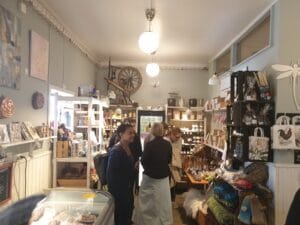
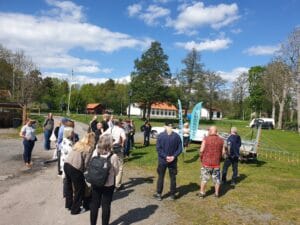
The journey then continued to Fastbols farm shop where participants learned about the work with the project Matkällan. The project aims to strengthen collaboration between local food producers and create better conditions for more local food to be produced, sold, and consumed in the area. By building networks between producers, the business association, and the municipality, the initiators aim to lay the foundation for a long-term platform for collaboration around local food. The visit sparked great interest and many conversations about how local economy, food preparedness, and sustainable development can be strengthened through cooperation.
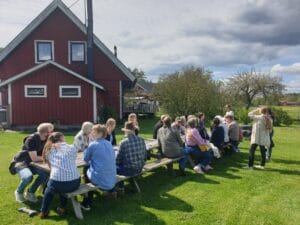
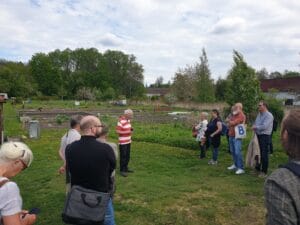
The last study visit of the day went to Österbybruk where participants saw examples of how urban-adjacent green corridors and allotments can contribute to both ecological and social values. Here it was shown how civil society's engagement can create meeting places that simultaneously promote biodiversity, public health, cultivation knowledge, and local pride. Several participants highlighted this as a clear example of regenerative place development in practice, where initiatives contribute to multiple positive effects at the same time.
Throughout the day, the important role that municipalities play in local development was also emphasized. By creating contacts, opening doors, and supporting local initiatives, municipalities can contribute to ideas growing and becoming reality. At the same time, the study trip showed that successful place development is based on collaboration between the public sector, business, and civil society. The study trip was organized to demonstrate that development is not solely about large investments and extensive projects. Equally important are the meeting places, networks, and relationships that create hope for the future and engagement in the local community. Participants left the day with new perspectives, valuable contacts, and inspiration to identify similar opportunities in their own municipalities and localities.
In summary, the study trip became a clear example of how small local initiatives, when connected through collaboration and common goals, can contribute to vibrant and attractive places where people want to live, work, and engage – today and in the future.
The study trip was part of the project We Community Makers.