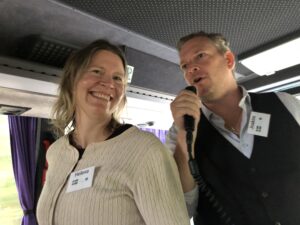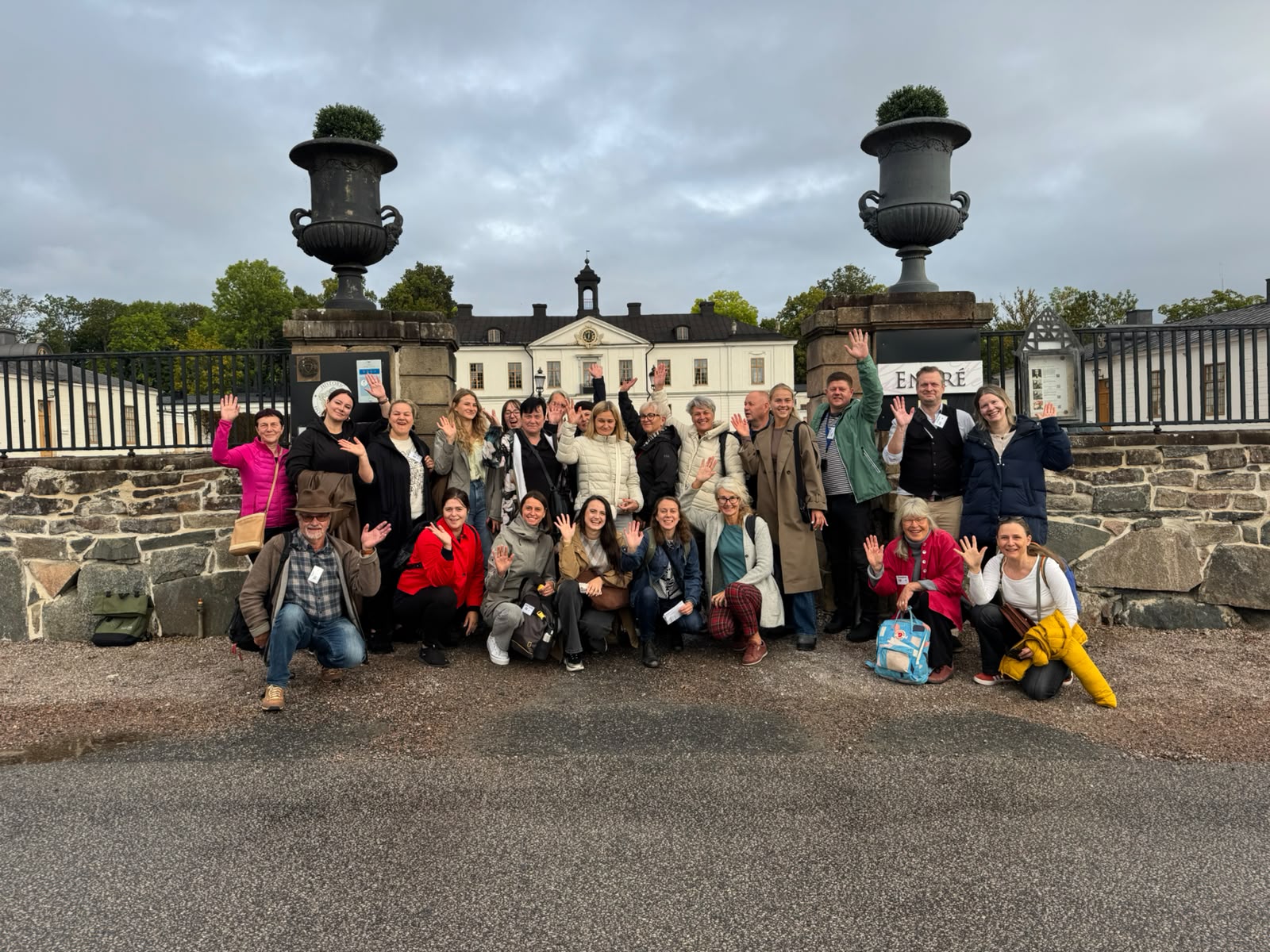
Monday this week started with us picking up representatives from our partner organizations who came by boat from Latvia and Lithuania. Now we have spent three days together that have been filled with study visits, conversations, new meetings, and quite a bit of experience exchange. In total, we have been 28 people from three countries – Sweden, Latvia, and Lithuania – representing nine local communities. It has been intense and inspiring days, where we had the opportunity to both showcase our own activities and learn more about how others work with local development. The first afternoon, we began by welcoming our guests to Upplandsbygd and discussing our Smart Communities collaboration. We talked about why we think it is important to build development together with people who live and work locally, and about what we hope to gain from our joint efforts.
Learning from each other and building community in the network
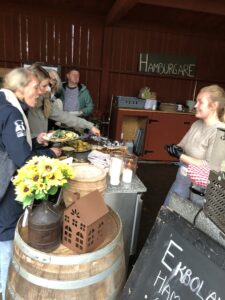
Each community is working to develop its own local strategy. The focus areas vary and include crisis preparedness, local food systems, social innovation, local engagement, and sustainable tourism. But a large part of meeting across national borders is also about building relationships. Our partners from Lithuania surprised us all by setting up a buffet with local delicacies from their region when we visited Eda Lägergård.
The study trip gave us the opportunity to share experiences, discuss challenges, and inspire each other in the work with local strategies to make the participating communities smarter. The nine communities took away new ideas and concrete tips on how they can move forward in their processes. At the same time, we have built a network of local leaders who possess a lot of knowledge and experience – knowledge that can now be shared between communities and countries. We have also explored how AI can be used as a tool in local community processes, and talked about how we can strengthen local engagement and create collaboration that lasts over time.
Reflections on common challenges
One of the most appreciated aspects during the days was the participants' willingness to help each other. The conversations flowed, and we dared to tackle big and important questions together. We discussed, among other things, crisis preparedness, new forms of collaboration, how we can promote voluntary engagement, and how we can strengthen the next generation in light of the changes ahead, including those resulting from climate change and other societal changes.
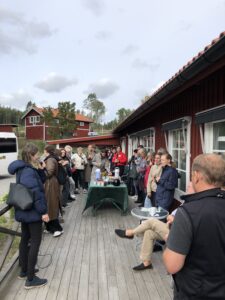
The participants have had the opportunity to visit our three participating communities and associations that are active in Vallentuna, Lagga, and Sanda and Harg. We also had great study visits at The Sun Clearing, Café Valkyria, Eda Lägergård, and Ekobolanda farm where we received a presentation about Fjärdhundraland.
Now the nine rural areas are going home with new ideas, inspiration, and new contacts. The next step will be to continue working on the local strategies and then start pilot projects based on each rural area's own needs and goals. Cooperation across national borders is becoming increasingly important. By sharing experiences and utilizing solutions that have already been tested, we can progress further together and avoid reinventing the wheel time and again. At the same time, each solution always needs to be adapted to the place where it will be implemented.
Three words summarize the study trip: engagement, experience exchange, and new networks.