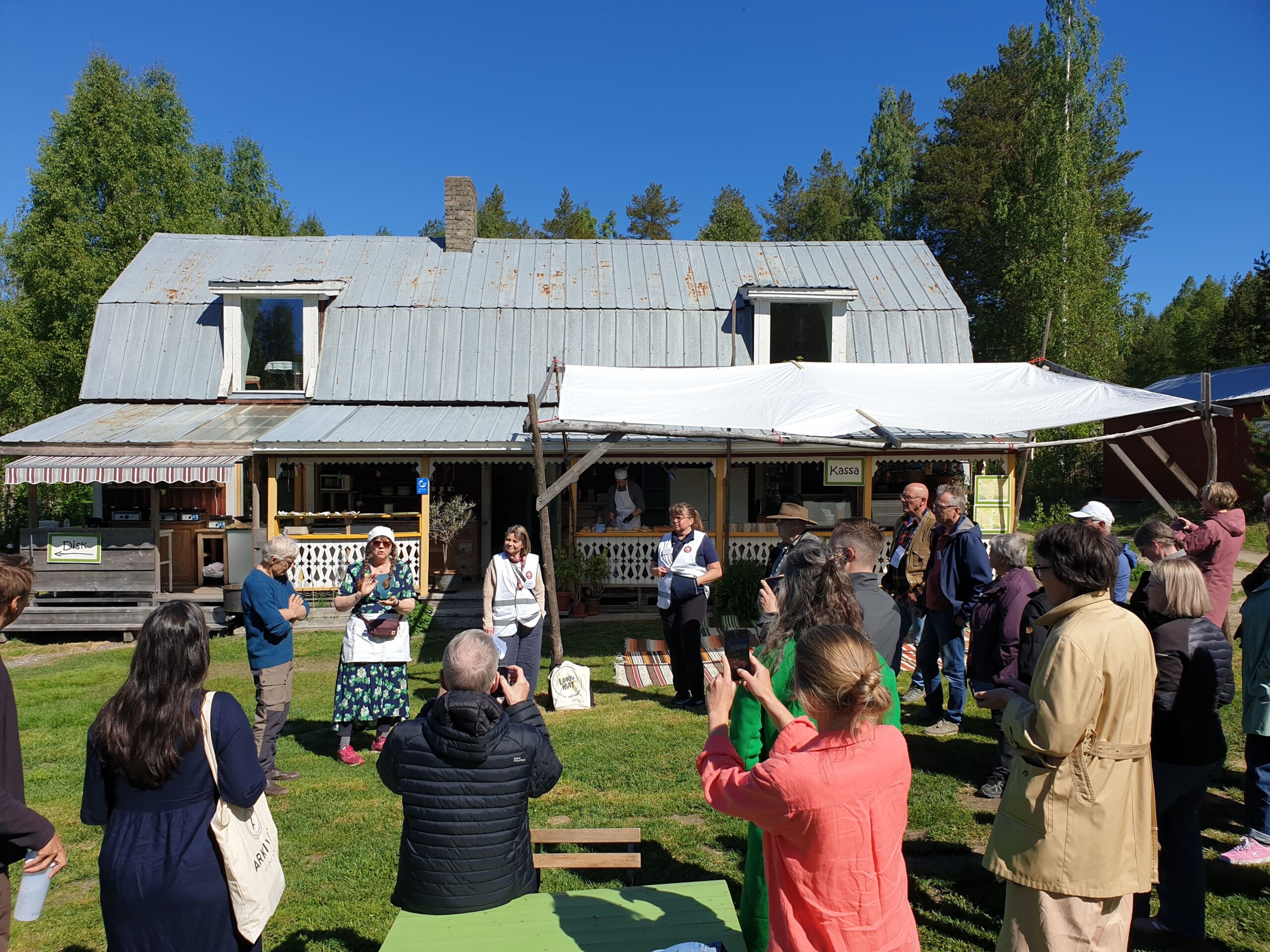
Day 1 - Between fairies and enthusiasts
The Rural Parliament had barely started before I got my first big dose of inspiration. Together with about 40 participants from all over Sweden, I left Umeå for the inspiration trip. Between fairies and enthusiasts – a journey in the footsteps of action. During the day we followed the Vindelälven River towards Skellefteå and stopped at people and businesses that work for their communities in various ways. It was a day filled with stories of collaboration and people who don't wait for someone else to solve their problems.
The first stop was The Tavelsjö area.
On the bus towards the village, we heard three people from the area talk about life along the river and how much happens when people organize locally. Development of the Tavelsjö-Rödåbygden, TuRe, constantly recurred in the stories. It was about hiking trails, outdoor initiatives and activities that attract people to nature. Among other things, they talked about the initiative ”Ten Peaks Tavelsjö”, which has made more people discover the area's natural values. Even in winter, nature is used as a meeting place. We also heard about the creative initiative where lottery codes were placed on the mountaintops, motivating people to hike or ski there during the winter. The many visits paved the way for the trails, which made the trails more accessible and at the same time got more people moving and getting out into nature. The ice on Lake Tavelsjön is also prepared every year so that people can meet, skate and socialize.
But what made the strongest impression on me was the story of how the villagers came together to buy a piece of land that the church wanted to sell. Through loans from committed residents and a solution together with the church, the property was able to stay in the hands of the local community. We also heard how the Sjöbacka care home, which was at risk of closing, was saved through local involvement. During the conversations, the importance of dialogue between residents and the municipality came up again. Issues about service, housing, wind power and future development are discussed continuously, and it is noticeable that many feel a responsibility for the future of the place.
One of the most special stops of the day was Hills & Sounds. Lisa and Tommy talked about how the business grew out of a personal tragedy. After losing their son Jon in a traffic accident, they chose to focus their energy on creating something that could bring people together. We heard about their vision work where people were invited to talk about what is important to preserve, strengthen and develop along the Vindelälven River. The idea is to create more nodes along the river where people and businesses can collaborate and benefit from each other. First came the festival. Then the café. Then the concerts, wedding events and the meeting place. Today, the place is a gathering point along the river where people meet around music, culture and ideas.
On the way to the next stop, Amanda and Isak took Rewilding Sweden over the microphone. The organization works with the restoration of natural environments along the rivers in the area. But it quickly became clear that their work is at least as much about people as it is about nature. When old waterways cleared by rafting are to be restored, dialogue is required with landowners, associations and residents. Stones that were once moved aside for timber transport are put back to create more varied water environments. Obstacles to fish migration are reviewed and addressed. At the same time, consideration needs to be given to cultural environments and local values. One example was an old mill from the 18th century where they are trying to find solutions that both strengthen fish stocks and respect the history of the place. We also heard about their rewilding camp (Hint!) where participants combine nature experiences with practical work in the landscape. The idea is that people who participate also gain a stronger relationship with the place.
During the day, questions also arose about the forest. One of the participants talked about how extensive logging has changed the landscape around his hometown. For many who choose to live in the countryside, proximity to the forest and nature is an important part of the quality of life. When the landscape changes, not only natural values are affected, but also people's relationship to the place. The conversation reminded us that land use often encompasses multiple perspectives at the same time and that many of the future issues of rural areas are about balancing different interests.
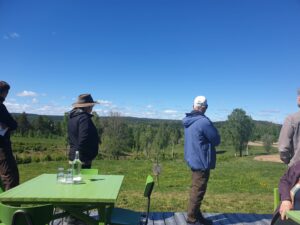
The last major stop of the day provided another perspective on the landscape. We met reindeer herder Leif Andersson, who talked about the changes he sees in his work. He described how climate change affects grazing conditions and how changes in the landscape affect the opportunities for reindeer husbandry. At the same time, he emphasized the importance of dialogue between landowners, forestry and reindeer husbandry. It was a conversation that reminded us of how many different people depend on the same landscape, and how important it is that they can talk to each other.
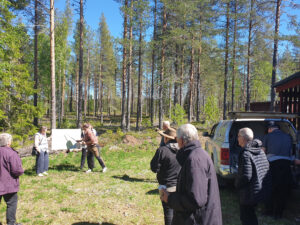
The trip continued with a presentation of the Vindelälven-Juhttátdahka biosphere reserve. The name Juhttátdahka comes from the Sami language and refers to movement, not only of people but also of reindeer, fish, ideas and culture. The area encompasses one of Europe's few major free-flowing waterways and serves as an arena where different actors can test new ways of working and collaborate on common challenges. When they described their work, I thought several times about the similarities with The Leader Method. The starting point is that solutions are better when many perspectives are brought together around the same table.
Day 2 – What holds society together
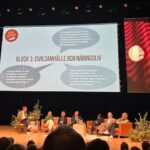
After the inspirational journey along the Vindelälven River, day two at the Rural Parliament continued with seminars and discussions. One of the sessions that made the biggest impression on me was about preparedness. When we talk about preparedness, the focus often ends up on resources, technology, logistics and organization. Important things, of course. But the seminar highlighted another dimension: relationships, networks and trust. Behind the seminar were, among other things The National Association of Community Centres, People's House and Parks and Student Association Adult School. What they have in common is that they represent organizations that are present in people's everyday lives, often long before a crisis occurs. Several examples showed how civil society has repeatedly become decisive when society is faced with challenges. During the refugee crisis in 2015, student unions and associations were able to quickly adjust their activities because they already had premises, networks and people in place. In the case of large forest fires, it was often associations that continued to support victims long after the emergency response was over.
What came up again during the seminar was that public organizations are often good at building structures and delivering services. But they cannot build the local trust that develops between people over time. It already exists in community centers, associations, study circles and local networks. Many associations want to contribute more, but they often encounter obstacles in contact with public actors. There is a desire to help, but sometimes cooperation is experienced as difficult. At the same time, new structures are being built in parallel with what already exists. One example that was mentioned was about a municipality that wanted to inventory community facilities in an area. The work took several months. At the same time, there were already organizations in place that knew both the facilities and the people who used them. Because local knowledge is often already in place. Associations know which people need to be reached. They know which facilities work. They know who to talk to when something needs to happen.
The seminar also highlighted an important point. Preparedness must not be the only argument for supporting civil society. Associations do not exist for crises. They exist for everyday life. It is through everyday activities, meeting places, study circles, events and communities that relationships are built. This is also why they work when something unexpected happens. If we want people to continue to take responsibility, get involved and create meeting places, there also needs to be long-term conditions for this. Training, support structures and resources are not costs that can be removed without consequences. They are investments in things that take a long time to build up but can quickly disappear. Civil society is not a spare part that is pulled out when needed. It is a knowledge bank, a network and a supporting part of society.
These are just some of the conversations, seminars and meetings that I took part in during the Rural Parliament 2026. The program contained significantly more than can be included in a blog post, and for those who want to delve deeper, more information about the conference is available here: https://landsbygdsriksdagen.se/
Finally, we now look ahead. The next Rural Parliament will be organized in 2028 in Uppsala by All of Sweden should live Uppsala County together with several regional and local actors. It feels extra fun that the event is coming to our part of the country, and we at Upplandsbygd Loklat Ledd Utveckling look forward to contributing to the collaboration for 2028. If you represent an association, organization, company or local initiative in our area and are curious about how you can be involved, you are most welcome to contact Hela Sverige ska leva Uppsala län: https://www.helasverige.se/uppsala/
Have a nice day! / Daniel