Upplandsbygd is pleased to lead an international cooperation project called Resilient Rural Areas. The project aims to strengthen resilience in smaller rural communities by developing locally tailored strategies for crisis preparedness, sustainability, and collaboration. Through training, workshops, and local development processes, residents, associations, businesses, and other local actors are provided with tools to create resilient and long-term sustainable villages. During the project's first half-year, local leaders and development actors in nine villages have begun the work of planning a process to develop smart and sustainable strategies for their villages' future. An important part of the project is to help the villages analyze their conditions and identify future development opportunities. During the first half-year, leadership training and SWOT analyses have been conducted. Through the analyses, the participating villages have mapped their strengths, weaknesses, opportunities, and challenges as a basis for future smart strategies.
Nine participating villages
In Upplandsbygd, three villages are participating in the project, where each area works with a theme based on local needs and future challenges.
I Harg in Östhammar municipality focuses on developing a smart strategy for increased crisis preparedness in the village. The work involves strengthening the local community's ability to handle crises and disruptions through increased collaboration, local knowledge, and new solutions that can contribute to increased safety and preparedness. Driving associations in the process are Sanda community center and the association Project Activate Östhammar. On Vallentuna's rural areas participants are working to develop a smart strategy for increased local food production and consumption. The goal is to strengthen local food chains, increase access to locally produced food, and create better conditions for producers and consumers to meet locally. Driving actors in the process are the association Food and Flavors in Northern Stockholm and Langhard Agriculture. In Lagga in Knivsta municipality the work focuses on developing a smart strategy for promoting community and collaboration. By strengthening networks, meeting places, and cooperation between associations, businesses, and residents, the village aims to create increased participation and a stronger local community. The driving association is Eda camp center. Although the villages are working with different themes, there is a common ambition to strengthen local development capacity and create long-term sustainable solutions based on each village's unique conditions.
In the leader area Partnership between fields and the sea Latvia, the villages Jaunsāti, Zentene, and Smārde in the project. During the first half of the year, the work has focused on training local leaders and conducting SWOT analyses that will form the basis for the villages' future Smart Village strategies. Two SWOT analyses have already been conducted, and additional analyses are planned for the year. Through the analyses, the villages' strengths, weaknesses, opportunities, and challenges are mapped to create a clear picture of which development efforts are most relevant for each area. The local leaders in Jaunsāti, Zentene, and Smārde have shown great commitment to the process and a strong interest in exploring how smart solutions can contribute to the development of rural areas. The focus is, among other things, on strengthening local services, increasing residents' participation, and creating new opportunities for collaboration between associations, businesses, and public actors. The goal is to create long-term sustainable solutions that enhance the villages' attractiveness, resilience, and ability to meet future challenges.
In the leader area Coastal region in Lithuania, several exciting development ideas have been identified through the work with Smart Village strategies.
In the village Broż there is strong local leadership and experience from several previous development projects. Here, discussions include how local food chains can be strengthened through smart greenhouses, where local producers are connected with restaurants. Solutions in aquaponics and sustainable food production are also being explored. In the area Priekulė and Smilgynaithe focus is on social innovation. Here, ideas are being developed on how services for the elderly can become more digital and accessible. Discussions are also ongoing regarding the development of social transport solutions that can facilitate everyday life for residents with limited access to services. In The Drevers and Svencelė, which is a well-known area for kitesurfing and nature tourism, the possibilities of further developing the tourism industry are being explored. Proposals include new service offerings for visitors, café operations, smaller spa facilities, and social enterprises that can contribute to local employment and attractiveness.
Joint study trip and experience exchange in September
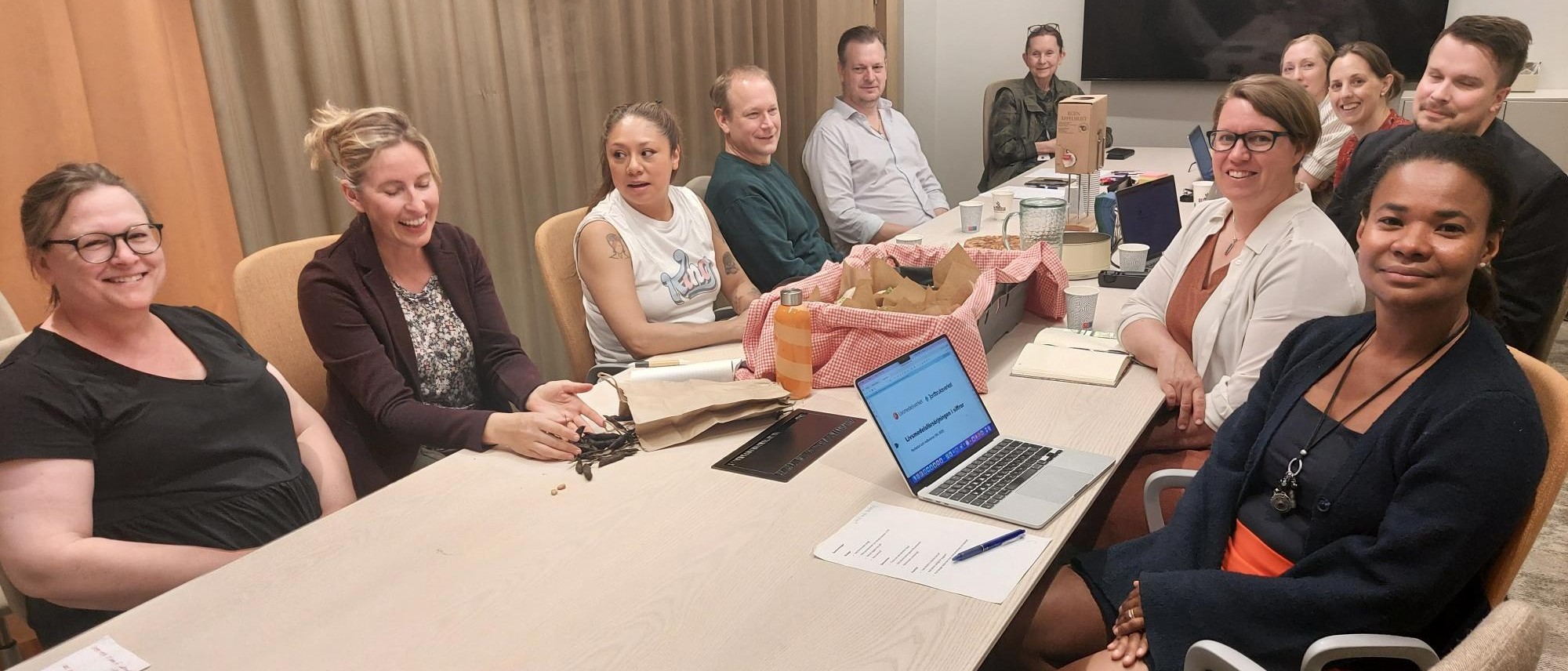
The project is carried out in close collaboration between three leader areas in Sweden, Lithuania, and Latvia. Through the collaboration, participants have the opportunity to learn from each other's experiences and be inspired by different solutions to common challenges, while also strengthening contacts between the rural areas, creating opportunities for future collaborations even after the project's end. The international perspective contributes to new ideas in areas such as sustainability, local services, digitalization, social innovation, and crisis preparedness. In September, local leaders from all nine villages will meet in Upplandsbygd to share their experiences with each other and make many exciting visits in our area. We look forward to sharing more about what is happening this fall.
This project is funded by the Swedish Institute.